
Heart rate zones (Zone 1–5)
Calculate all 5 training zones (Zone 1 Recovery to Zone 5 VO₂max) with Karvonen and %HRmax. From age and resting HR, with Zone 2 highlighted as the star zone.


Note: Estimated heart-rate ranges do not replace spiroergometry. The most accurate thresholds come from lactate or VO₂max tests.
Please enter your age.
Frequently Asked Questions
6Methodology
How does the calculator work?
Methodology
How does the calculator work?
- Enter your age in years
- Optional: enter your resting HR (morning, before getting up)
- All 5 zones show up immediately as bpm ranges
- Zone 2 is highlighted — the most important zone for aerobic base
- Switch between Karvonen and %HRmax via the method picker
HRmax = 220 − age. Karvonen: resting HR + (HRmax − resting HR) × zone factor. %HRmax: HRmax × zone factor. Zone 1 = 50–60 %, Zone 2 = 60–70 %, Zone 3 = 70–80 %, Zone 4 = 80–90 %, Zone 5 = 90–100 %.
1Which method fits?
Both methods give you all 5 zones — they only differ in how the absolute bpm values are computed.
Karvonen (HRR + resting HR): Karvonen uses heart-rate reserve (HRR = HRmax − resting HR) and adds the resting HR back on top. Accounts for individual fitness — more accurate than the plain HRmax formula.
%HRmax (220 − age): %HRmax takes x % of HRmax (220 − age). Works without resting HR but is rougher — HRmax varies by ±10 bpm individually.
2What are heart-rate zones?
Intensity bands defined by %HRmax or %HRR. The 5-zone model is the standard in Garmin, Polar and Apple Watch and splits training into Recovery (Z1), Aerobic Base (Z2), Tempo (Z3), Threshold (Z4) and Maximal/VO₂max (Z5).
3How should I split training time across the zones?
Classic "polarised training": ~80 % of cardio time in Z1–2, ~20 % in Z4–5, Z3 kept thin ("grey zone"). For pure health/longevity goals, 150 minutes of Zone 2 per week is enough.
4Why is Zone 2 so popular?
Zone 2 builds mitochondrial density and fat-oxidation capacity — the foundation for every higher intensity. Peter Attia, Iñigo San Millán and other longevity researchers recommend Zone 2 as the most important cardio zone for VO₂max and metabolic health.
5What if my real HRmax differs from the formula?
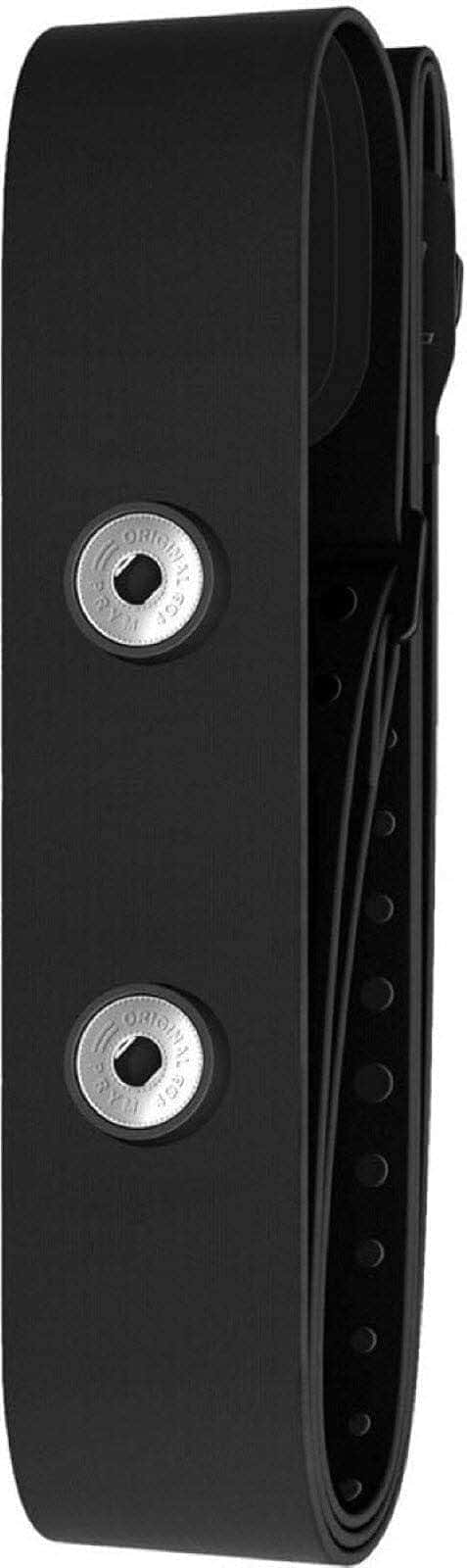
220 − age is a rule of thumb with ±10 bpm spread. If you know your actual HRmax from a test (e.g. ramp test), mentally shift the calculator: if you are 5 bpm above the estimate, push all zones up by 5 bpm. Smartwatches with a chest strap usually give the most accurate live HRmax estimate.
6Can I use these values with a smartwatch?
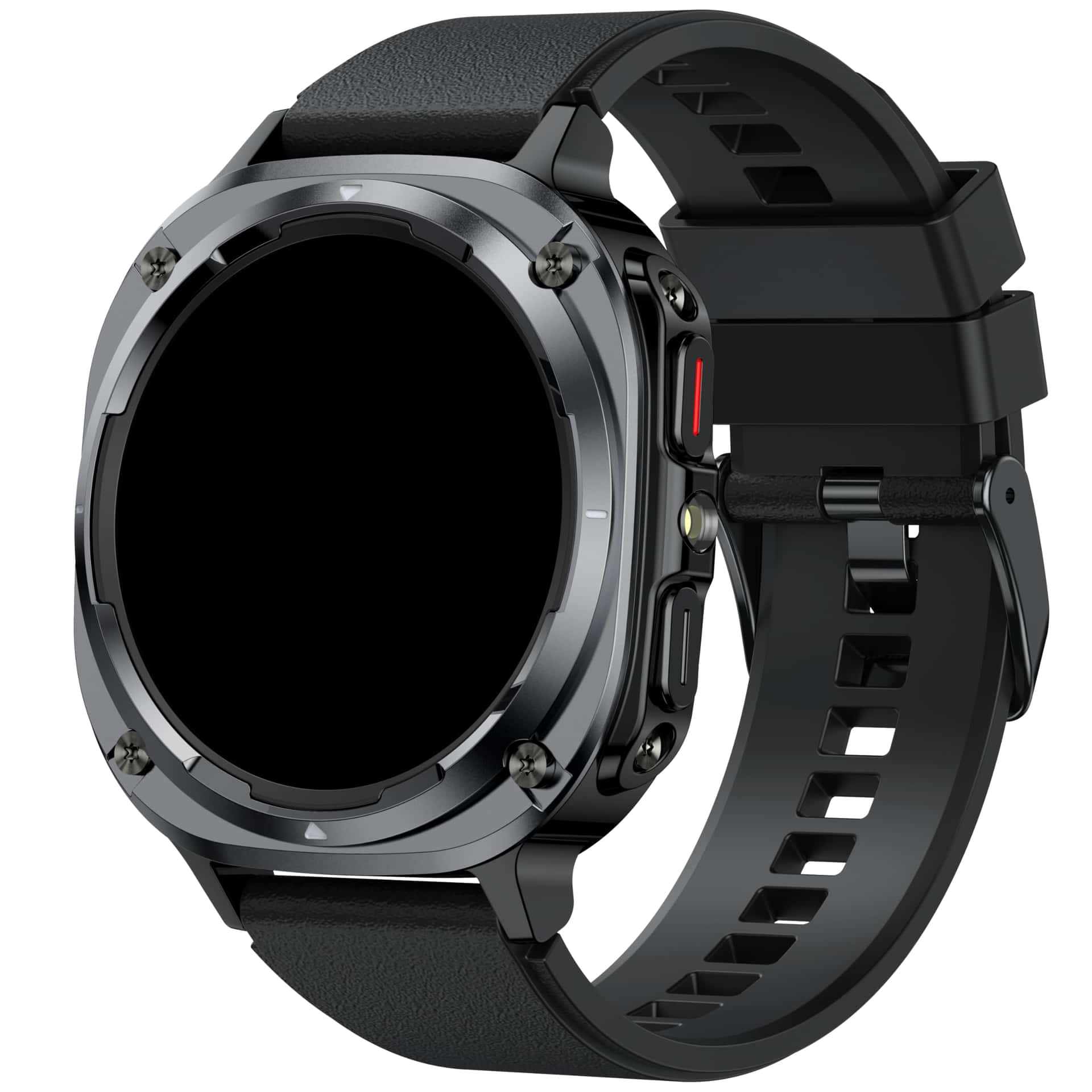
Yes. On Garmin/Apple/Polar set the calculated ranges as custom HR zones. Note: wrist-based optical HR is less accurate during running than a chest strap — use a chest strap for threshold and VO₂max intervals.