
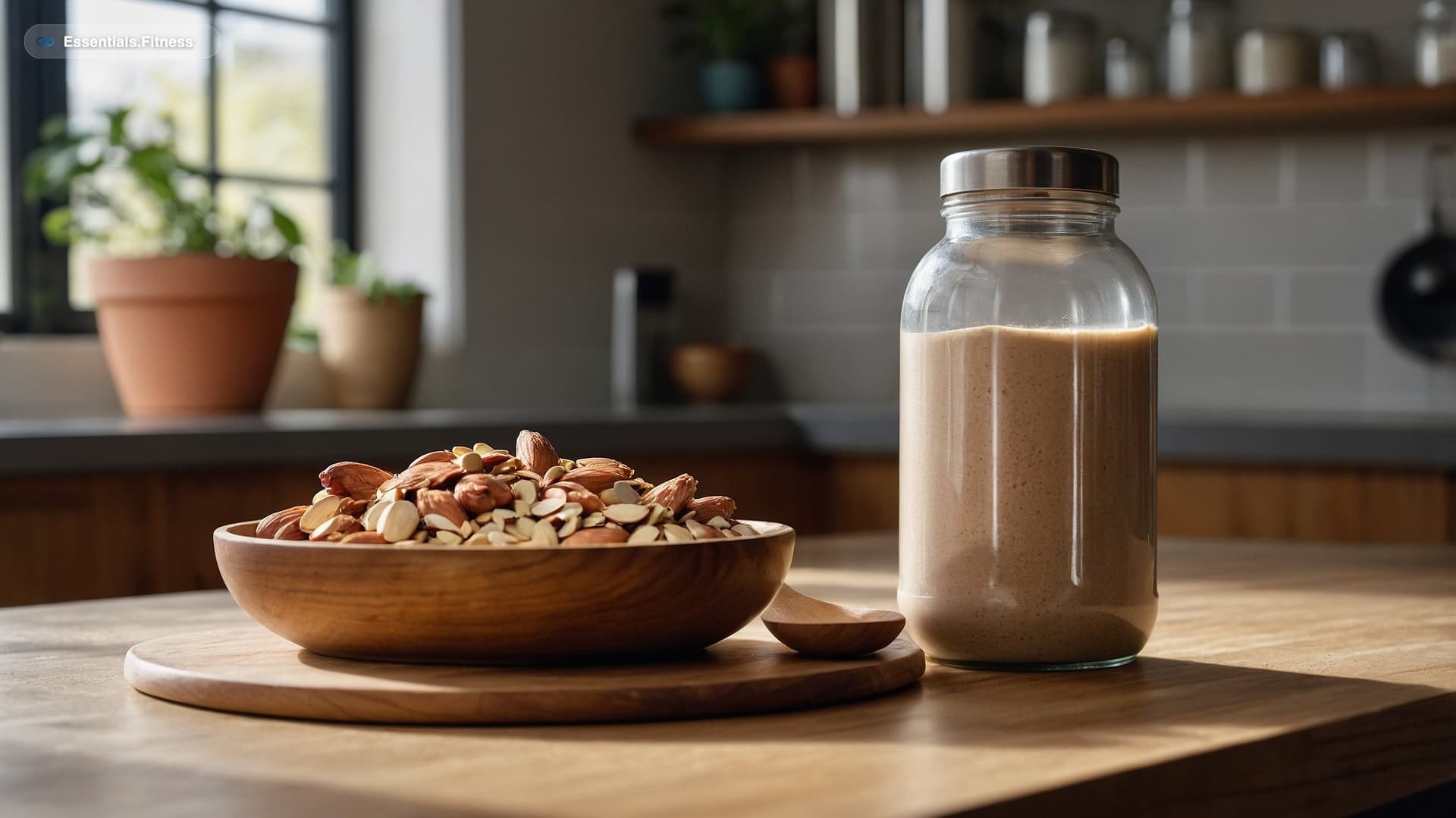
Should I supplement protein powder or not?
Protein is essential for muscle growth and recovery. But do you really need protein powder or is a balanced diet enough?
Contents
Should I supplement protein powder or not?
Protein powders have become ubiquitous in the fitness and health industry. Whether at the gym, in supermarkets or online shops – the selection is huge. But the question remains: Do you really need a protein supplement, or is a balanced diet enough?
Why is protein important?
Protein is an essential macronutrient and plays a key role in many bodily functions:
Muscle building and repair: Especially important after training
Enzyme and hormone production: Proteins are building blocks for many processes
Satiety: Can help reduce cravings
Immune support: Important for cell regeneration and immune functions
How much protein do I really need?
The recommended protein intake depends on factors such as age, gender, body weight and activity level. General guidelines:
Activity level | Recommended protein intake (g/kg body weight) |
|---|---|
Non-athlete | 0.8 g/kg |
Recreational | 1.2 – 1.5 g/kg |
Strength athlete | 1.6 – 2.2 g/kg |
Diet / fat loss | 1.8 – 2.5 g/kg |
Can I get enough protein from regular food?
A protein-rich diet is possible without supplements. Examples of high-protein foods:
Food | Protein per 100g |
|---|---|
Chicken breast | 31 g |
Lentils | 26 g |
Beef | 26 g |
Almonds | 21 g |
Salmon | 20 g |
Quinoa | 14 g |
Eggs | 13 g |
Low-fat quark | 12 g |
Skyr | 11 g |
Tofu | 8 g |
When does protein powder make sense?
There are situations where supplementing with protein powder can be useful:
Lack of time: Quick protein source on the go
After training: Handy when you can't eat a meal right away
High protein requirements: Especially for bodybuilders or during strict diets
Vegetarians/Vegans: Protein powder can make it easier to meet needs
What types of protein powder exist?
Different types depending on the source:
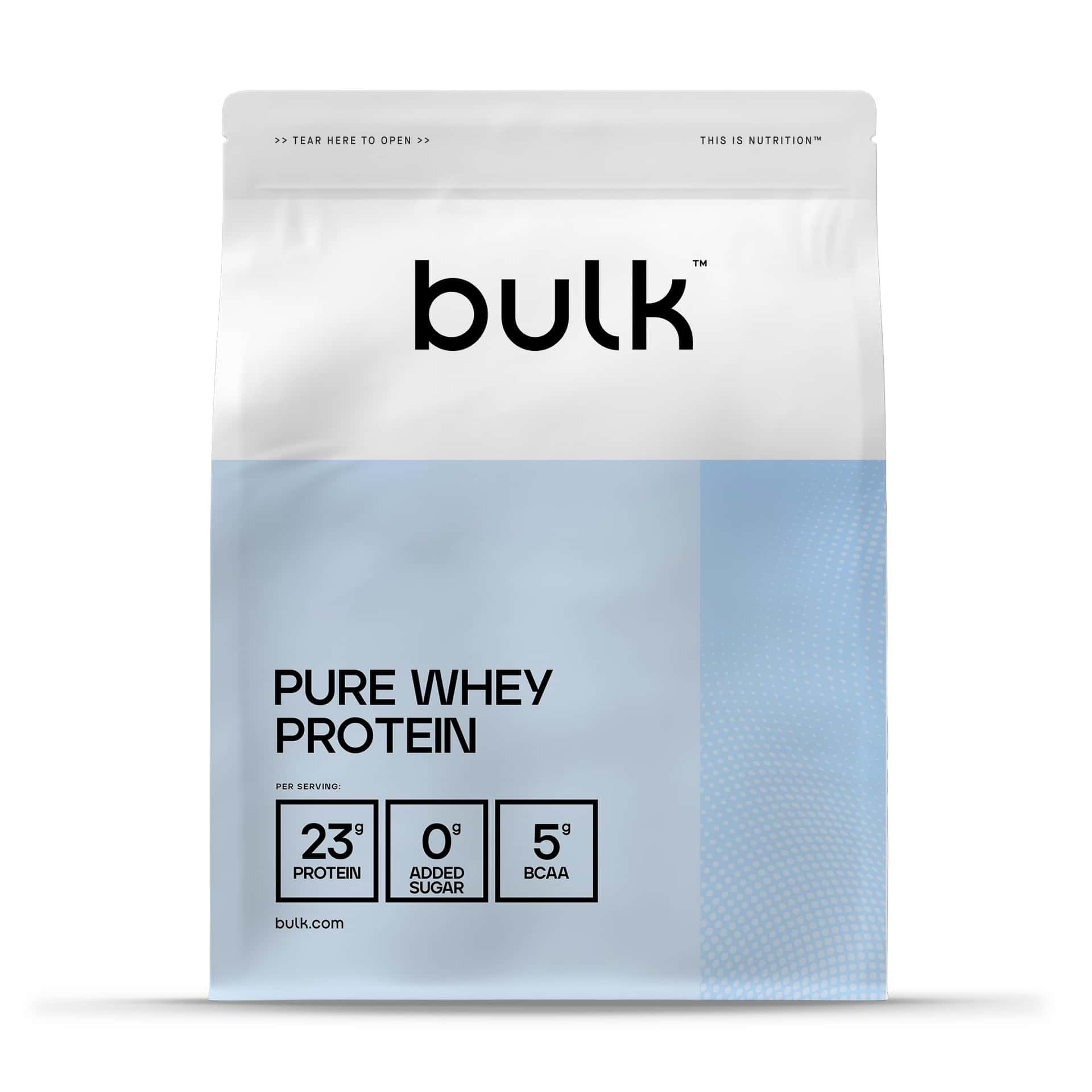
Whey protein: Fast digesting, ideal after training
Casein protein: Slow digesting, good for nighttime
Plant-based proteins: Pea, rice or soy as vegan alternatives
Multi-component protein: Mix of different protein sources
Possible disadvantages of high protein intake
Although protein has many benefits, excessive intake can also have drawbacks:
Kidney strain: People with impaired kidney function should avoid very high intake
Excess calories: High-protein foods and supplements can be calorie-dense and lead to unwanted weight gain
Digestive issues: Too much protein may cause bloating, diarrhea or constipation, especially in sensitive individuals
Increased nitrogen excretion: Extremely high protein can strain metabolism and lead to higher water loss
Disadvantages of protein powders
In addition to the general risks of high protein intake, there are specific downsides to using protein powders:
Quality and additives: Many powders contain artificial sweeteners, flavors or low-quality protein sources
Contamination: Some powders have been found to contain traces of heavy metals or impurities (consumerreports.org)
Cost: High-quality protein powders are often expensive and offer no advantage over natural protein sources
Lack of micronutrients: Compared to natural foods, powders often miss valuable vitamins, minerals and secondary plant compounds
👉 Bottom line: Food before supplements – protein powder is an option, not a replacement for a balanced diet!
Useful Tools for Your Nutrition Planning
Calculate your individual needs with our free calculators:
Protein Calculator: Determine your exact protein needs based on weight, goal and activity level – including meal tracker
Calorie Calculator: Calculate your basal metabolic rate and total calorie needs for muscle building or fat loss
Ideal Weight Calculator: Find your ideal weight with BMI, WHtR and 8 scientific formulas
Comments
Be the first to leave a comment.
