
How to boost testosterone naturally: what strength training, sleep and nutrition actually deliver
Only three or four interventions move your testosterone level in a measurable way. Lose fat, sleep enough, train with weights, and close any real micronutrient gaps. Everything else is marketing.
Contents
- Up front: what really helps, what is marketing
- What testosterone is and what you actually measure
- What actually works, with effect sizes
- 1. Fat loss when overweight: the biggest lever
- 2. Sleep: the underrated lever
- 3. Strength training: important, but not for the reason you think
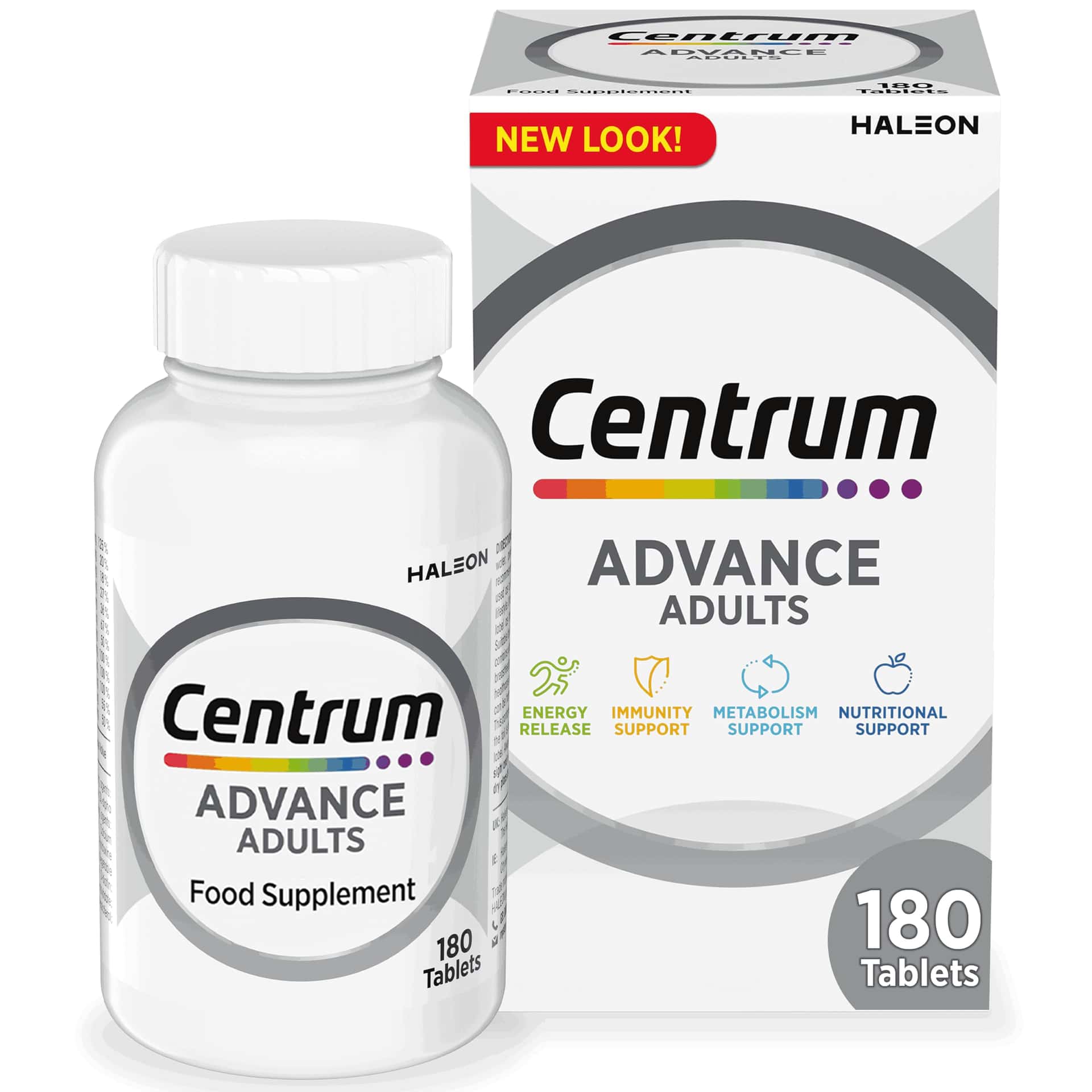
- Micronutrients: help with a deficit, otherwise not
- Vitamin D
- Zinc
- The T boosters with thin data
- Tribulus terrestris
- Fenugreek
- Ashwagandha, boron, DAA and the usual suspects
- What to actually do, in priority
Up front: what really helps, what is marketing
A healthy man aged 20 to 50 typically sits between 12 and 30 nmol/l total testosterone (350 to 1,000 ng/dl in US units). That is the window countless pills, sprays and boosters target. The honest answer from the research: only three levers meaningfully move that value in a healthy person, and none of them is a pill.
Lose fat if you are overweight. Sleep seven to nine hours consistently. Train against resistance regularly, though the effect on T itself is smaller than often claimed and the real benefit lies elsewhere.
Two micronutrients help too (vitamin D and zinc), but only if you are actually deficient. Everything else falls into wishful thinking territory.
What testosterone is and what you actually measure
Testosterone is the central male sex hormone, produced mainly in the Leydig cells of the testes. A blood test usually shows two values:
- Total testosterone (Total T): all testosterone in the blood, bound and free. Adult male reference range: about 12 to 30 nmol/l (350 to 1,000 ng/dl).
- Free testosterone (Free T): only the unbound, biologically active fraction. About 1 to 3 percent of Total T. Reference range: 200 to 600 pmol/l (5 to 17 ng/dl).
Most testosterone in the blood is bound to SHBG (Sex Hormone Binding Globulin) and albumin. SHBG rises with age and illness, so total T can look normal while free T is low. Only measuring total T misses this case.
Important: testosterone swings strongly over the day. Peak between 7 and 10 am, roughly 30 percent lower in the evening. A 4 pm blood draw says little. And a single result near the edge of the reference range needs a repeat on another day.
What actually works, with effect sizes
1. Fat loss when overweight: the biggest lever
The 2024 meta-analysis by Ken-Dror et al. in Andrology pooled 44 studies with 1,774 men. Result: every kilogram lost lifts total testosterone in overweight men by roughly 0.6 percent through diet, about 2.5 percent per kilo after bariatric surgery. Losing 10 kilos realistically gives you around 6 percent more T.
The mechanism is clear: adipose tissue hosts the aromatase enzyme, which converts testosterone into estrogens. The more belly fat, the higher the loss. Visceral fat also drives insulin resistance and chronic inflammation, both of which suppress testicular T production.
Practical: strength training plus moderate calorie deficit plus 1.6 to 2.2 grams of protein per kilogram bodyweight. Fat down, muscle up, T follows.
2. Sleep: the underrated lever
The classic study by Leproult and Van Cauter 2011 in JAMA put 10 healthy young men (avg 24 years) on 5 hours of sleep per night for a week. Result: testosterone fell by 10 to 15 percent. The authors framed it in years of aging: a 24-year-old with chronic sleep deprivation has the T of a 34- to 39-year-old.
A meta-analysis by Su et al. 2021 across 18 studies with 252 men confirms the picture under total sleep deprivation but finds more heterogeneous effects for moderate restriction (5 to 6 hours). Individual sleep quality, cortisol response and age all modulate the picture.
Concrete: consistent bedtimes, 7 to 9 hours in bed, cool room (16 to 19 °C), phone out of the bedroom. Shift work is a separate problem, addressed via melatonin and adjusted timing.
3. Strength training: important, but not for the reason you think
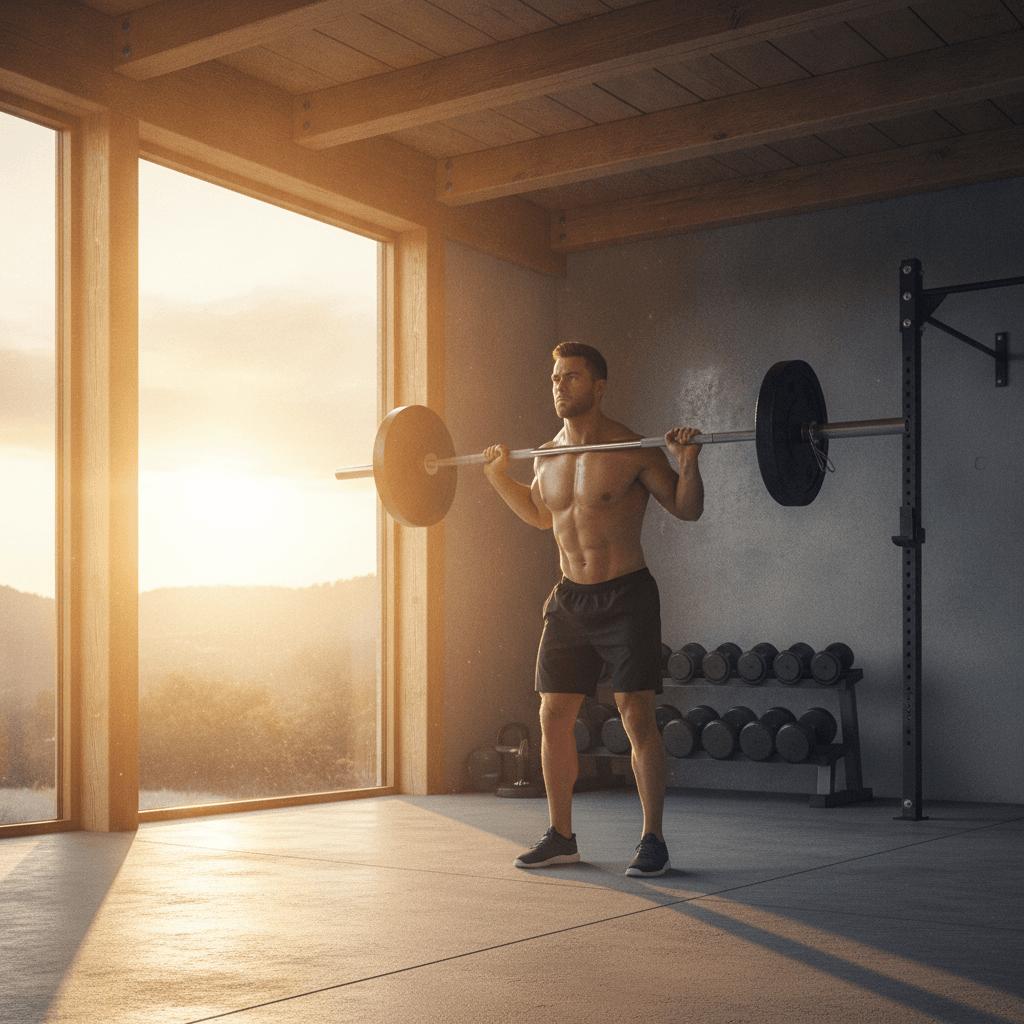
Resistance training lifts testosterone acutely. After a heavy session with multi-joint lifts (squat, deadlift, bench press) both total and free T climb clearly for about 15 to 60 minutes. That is well documented (Vingren et al. 2010).
The key point: this acute peak does NOT primarily drive muscle growth. Studies where men manipulated the hormone response through exercise choice while matching training work found no difference in hypertrophy. Muscle grows because of mechanical tension and adequate volume, not because of the hormonal spike.
Chronically, meaning resting values after weeks or months, young healthy men see barely any change. Older men (60+) with a low baseline activity level show modest increases in the single-digit percent range.
Side effect: strength training improves insulin sensitivity and reduces belly fat, which in turn raises T via the loop above. Training pays off, just not through a hormonal explosion.
Micronutrients: help with a deficit, otherwise not
Vitamin D
The 2024 meta-analysis by Zhao et al. over 17 randomized trials found a significant rise in total testosterone under vitamin D supplementation. No clear effect on free T.
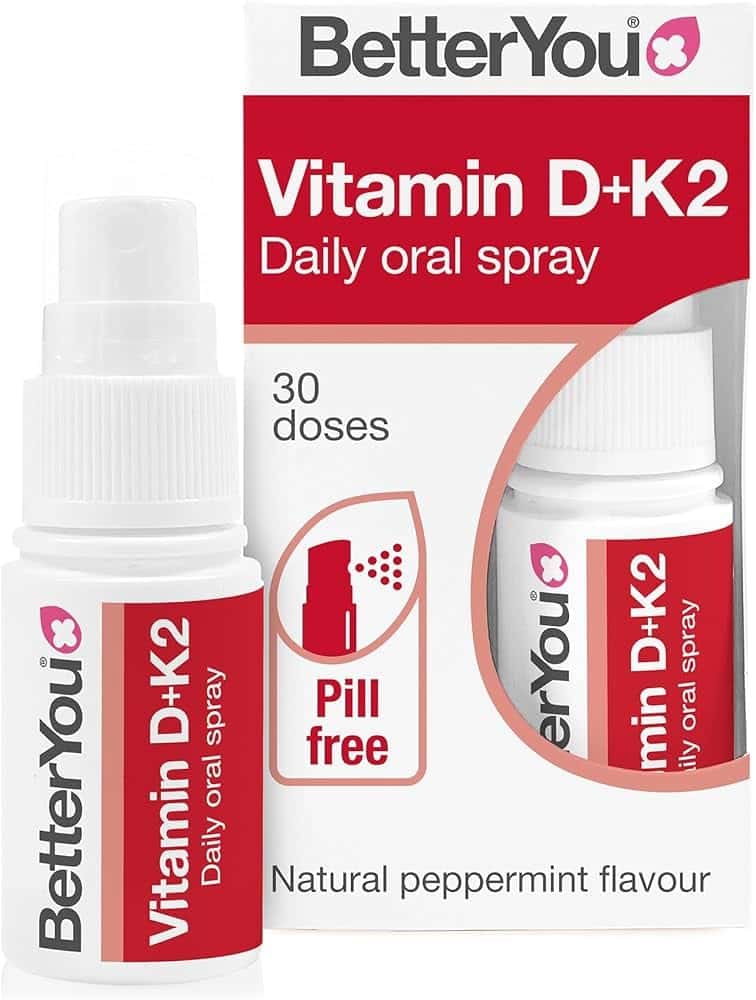
Important caveat: the effect is clearest in men with baseline deficiency (25-OH-D below 30 ng/ml or 75 nmol/l). If you are already well stocked, you see no improvement. Get the blood test before supplementing. If you cannot, a rough rule for central and northern Europe from October to March is 1,000 to 2,000 IU per day, up to 4,000 IU with documented deficiency.
Vitamin D products in our overview show brands with clean dosing and no fillers.
Zinc
Prasad et al. 1996 combined two controlled experiments. Zinc restriction in healthy young men over 20 weeks measurably lowered testosterone. Conversely, in marginally zinc-deficient older men, six months of supplementation lifted total T from 8.3 to 16 nmol/l, almost a doubling from a low start.
But: in well-stocked men, the effect is absent. Zinc lives in meat, seafood (especially oysters), nuts and legumes. Eat a lot of those and you do not need capsules. Live on refined carbs with little whole grain and you have a real deficiency risk and can add 15 to 30 mg per day; see zinc products.
Rule for all micronutrients: more is not better. Chronic zinc above 40 mg/day inhibits copper absorption; vitamin D above 4,000 IU/day without monitoring can push blood calcium into unwanted territory.
The T boosters with thin data
Tribulus terrestris
Neychev and Mitev 2005 gave 21 healthy young men (20 to 36 years) 10 to 20 mg/kg tribulus over 4 weeks. Result: no effect on testosterone, neither total nor free. Later studies in stressed men or men with hypogonadism occasionally show effects but small, inconsistent and often methodologically weak.
Fenugreek
The evidence is mixed. Manufacturer-sponsored studies with specific extracts (Testofen, Trigonella) report 10 to 15 percent effects on total T. Independent replication is thin. The most plausible mechanism, if any, runs through aromatase inhibition, not direct T stimulation.
Ashwagandha, boron, DAA and the usual suspects
Ashwagandha works mainly on cortisol and stress, with T effects in already stressed or overweight older men. Boron, D-aspartate, ZMA (zinc-aspartate-magnesium) and most multi-ingredient boosters sit below the evidence bar for real recommendations.
What to actually do, in priority
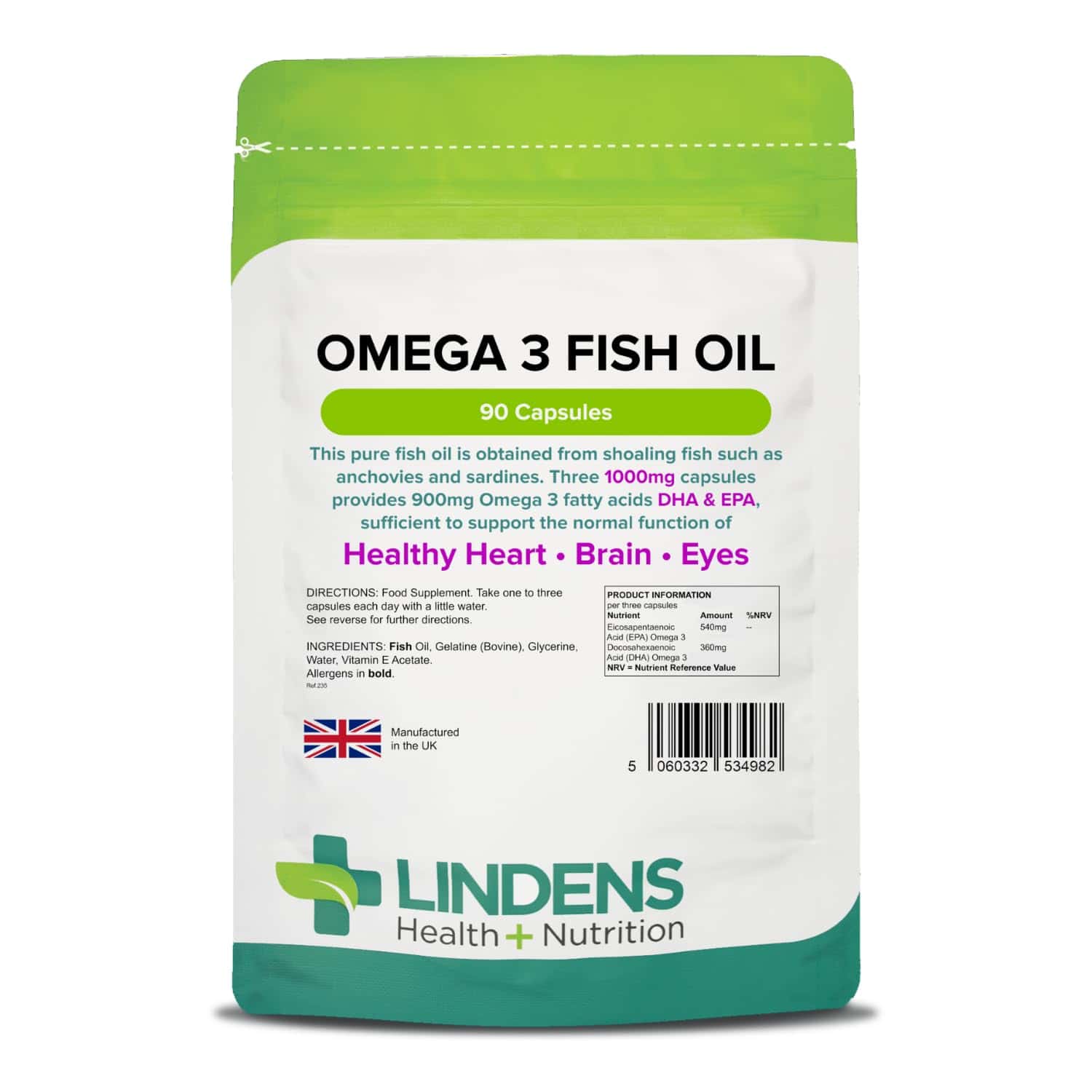
1. If you are overweight (BMI above 27, waist over 100 cm): strength training plus moderate calorie deficit plus 1.6 to 2.2 g protein per kilo. The biggest effect lives here. A body scale and weekly waist measurement are enough feedback. 2. 7 to 9 hours of sleep consistently. The window matters more than perfect conditions. Chronically under 6 hours cancels every other lever. 3. 2 to 4 strength sessions per week. Not for T, but for muscle, strength, bone density and insulin sensitivity. The T effect is a bonus. 4. If a blood test shows a deficit: vitamin D under 75 nmol/l 25-OH-D, zinc under 700 µg/l serum or a purely plant-based diet. Do not guess, measure. 5. If symptoms plus measured value below 10 to 12 nmol/l: go to an andrologist or endocrinologist. Testosterone replacement is a medical decision, not a pill order.
What you can skip: the vast majority of over-the-counter T boosters. For the price of a year's supply you get a squat rack, a good mattress or half a year of a personal trainer, each with far more effect on testosterone and everything around it.
Testosterone is a symptom, not a goal. What you really want is vitality, muscle, drive, libido. And those come from fundamentals, not capsules.
Frequently asked questions
Does testosterone drop with age no matter what?
Yes, but slower than people claim. From age 30, total testosterone drops by roughly 1 percent per year on average. Keep your visceral fat stable, sleep well and train against resistance, and you age much slower than the average.
How often should I get testosterone tested?
Only when you have concrete symptoms (fading libido, unexplained muscle loss, chronic fatigue, erectile issues). Then twice, both times in the morning before 10 am, a few days apart, because levels swing across the day and day to day. A single low reading without symptoms is usually harmless.
Can too much strength training lower testosterone?
Yes, chronic overtraining with too little recovery and calorie restriction drives values down. Three to five well-structured sessions per week with deload phases does not. If you train two hours daily and sleep badly, you are in the watch-out zone.
Is alcohol a testosterone killer?
Acutely yes, chronically clearly. A single beer barely moves the needle, three to four drinks in an evening measurably lower T for the next 24 hours. If you drink regularly, the cumulative effect adds up; see our article on alcohol after strength training.
Sources & Studies
- [1]Ken-Dror G, Fluck D, Fry CH, Sharma P, Han TS. Meta-analysis and construction of simple-to-use nomograms for approximating testosterone levels gained from weight loss in obese men. (2024). 10.1111/andr.13484
- [2]Leproult R, Van Cauter E. Effect of 1 week of sleep restriction on testosterone levels in young healthy men. (2011). 10.1001/jama.2011.710
- [3]Su L, Zhang SZ, Zhu J, Wu J, Jiao YZ. Effect of partial and total sleep deprivation on serum testosterone in healthy males: a systematic review and meta-analysis. (2021). 10.1016/j.sleep.2021.10.031
- [4]Zhao J, Yan F, Ju J, Ni J, Hu Y. The Impact of Vitamin D on Androgens and Anabolic Steroids among Adult Males: A Meta-Analytic Review. (2024). 10.3390/diseases12100228
- [5]Prasad AS, Mantzoros CS, Beck FW, Hess JW, Brewer GJ. Zinc status and serum testosterone levels of healthy adults. (1996). 10.1016/s0899-9007(96)80058-x
- [6]Neychev VK, Mitev VI. The aphrodisiac herb Tribulus terrestris does not influence the androgen production in young men. (2005). 10.1016/j.jep.2005.05.003
- [7]Vingren JL, Kraemer WJ, Ratamess NA, Anderson JM, Volek JS, Maresh CM. Testosterone physiology in resistance exercise and training: the up-stream regulatory elements. (2010). 10.2165/11536910-000000000-00000
Comments
Be the first to leave a comment.